
A starting point for families navigating the sudden onset of PANS and PANDAS.
When a child changes almost overnight
PANS (Pediatric Acute-onset Neuropsychiatric Syndrome) occurs when a child suddenly develops dramatic changes in behavior, thinking, or functioning.
For many families, the change is abrupt and difficult to explain. This site brings together parent stories and clear information to help families understand what may be happening and where to begin.

Start Here: A Step-by-Step Guide to PANS
If you’re new to PANS or feeling overwhelmed, this guide walks you through what to look for, what to do first, and how to begin finding help.
Our Stories
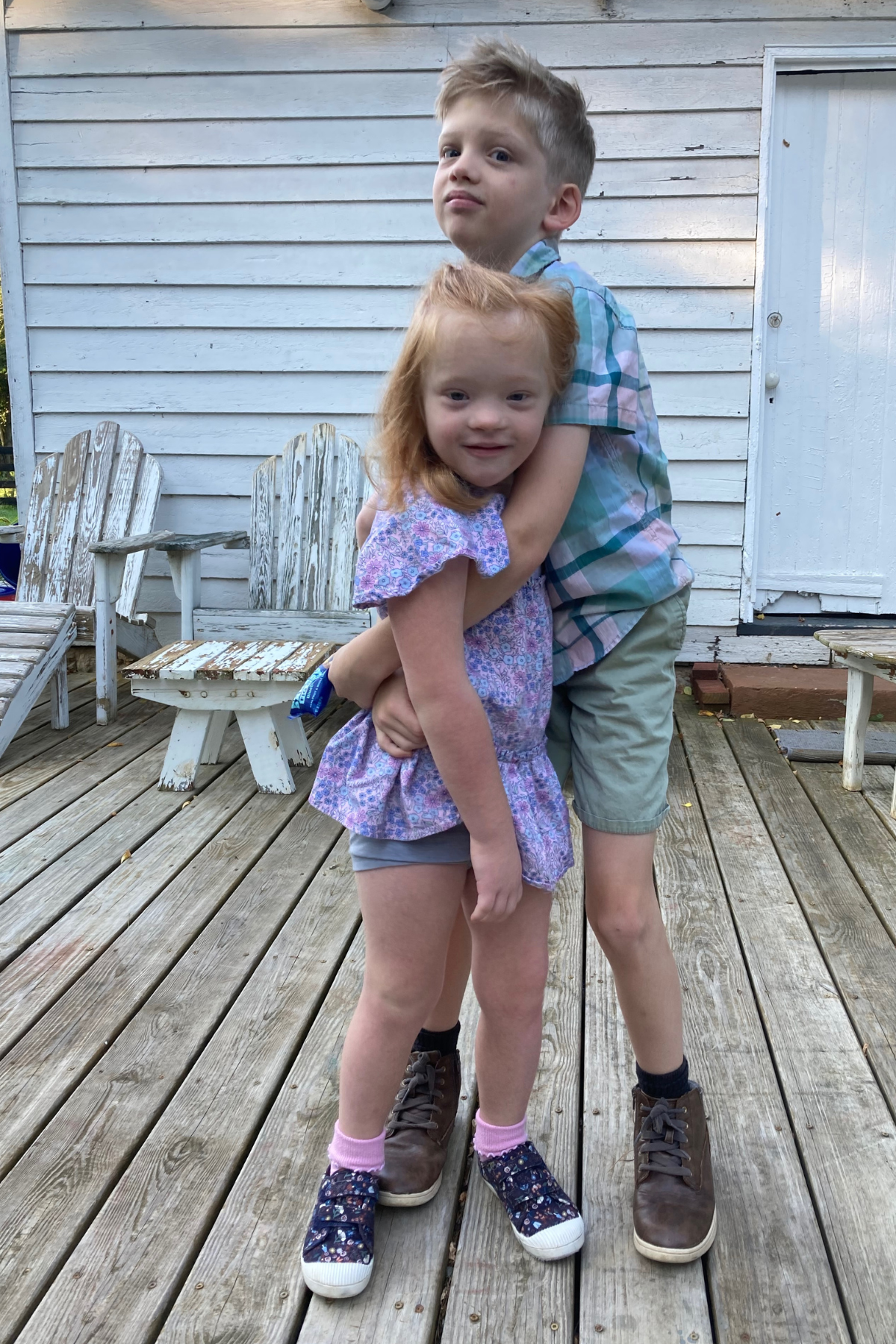
Elsa’s Story
A routine course of antibiotics reveals a clue behind the sudden regression of a young girl with Down syndrome.
Age 7
Cam’s Story (Coming Soon)
What could have been dismissed as typical challenges for a boy with autism—but his mother knew something else was at play.
Age 6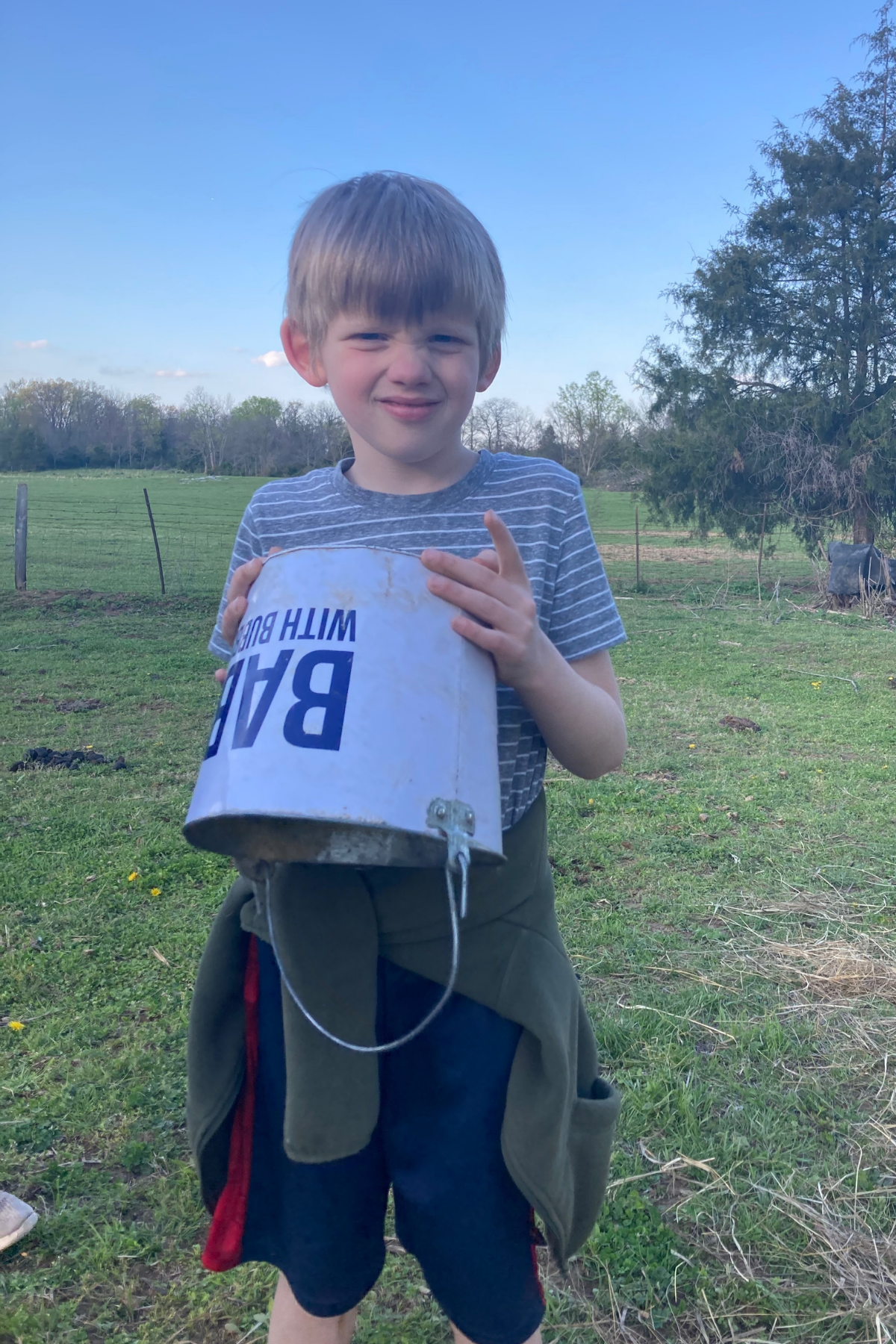
Everette’s Story (Coming Soon)
Age 5After back-to-back viral infections in preschool, a young boy begins to change in ways no one could explain.
About
the PANS
Parent
The PANS Parent is a parent-led resource created for families trying to understand sudden cognitive, behavioral, or neurological changes in their child—often following an illness or infection.
Through real stories and clear, plain-language information, this site offers a starting point for families trying to make sense of what may be happening and what to do next.

Frequently Asked Questions
-
Pediatric Acute-Onset Neuropsychiatric Syndrome (PANS) is a neuroimmune disorder that causes the sudden onset of severe neurological and psychiatric symptoms
Symptoms may appear almost overnight and can include:
• Obsessive-compulsive behaviors
• Motor or vocal tics
• Severe anxiety
• Behavioral regression
• Emotional instability
• Sleep disturbances
• Cognitive decline
• Sensory sensitivities
• Sudden eating restrictionsMany parents describe the experience as “losing their child overnight.”
-
PANDAS (Pediatric Autoimmune Neuropsychiatric Disorders Associated with Streptococcal infections) is a subset of PANS triggered specifically by Group A Streptococcus infections, such as strep throat.
Researchers believe the immune response to infection can mistakenly attack areas of the brain involved in movement, behavior, and emotion.
-
PANS/PANDAS is believed to be triggered by an immune response—often following an infection—that mistakenly affects the brain.
Common triggers can include infections such as strep (in PANDAS), as well as other bacterial or viral illnesses. In some cases, the exact trigger isn’t immediately clear.
What families often notice is a sudden onset of symptoms, sometimes appearing after a recent illness, even one that seemed mild.
-
Exact prevalence is still being studied, but some experts estimate that PANS and related neuroimmune disorders may affect a significant number of children, potentially as many as 1 in 200.
Despite this, the condition remains widely underrecognized and frequently misdiagnosed.
Children are often incorrectly diagnosed with:
• Tourette syndrome
• OCD
• Autism spectrum disorder
• ADHD
• Anxiety disorders
• Behavioral disorders -
Early recognition and treatment can dramatically change outcomes.
Delayed diagnosis can lead to:
• Years of disability
• School disruption
• Severe psychiatric symptoms
• Family crisis
• Increased healthcare costsWhen treated early, many children experience significant improvement or recovery.
-
Yes—many children improve with appropriate treatment, especially when it’s identified early.
Treatment often focuses on addressing the underlying trigger (such as an infection), calming the immune response, and supporting symptoms. This may include antibiotics, anti-inflammatory approaches, or other therapies depending on the child.
Because each case is different, treatment plans can vary. Families typically work with medical providers to determine the best approach.
Follow us on social